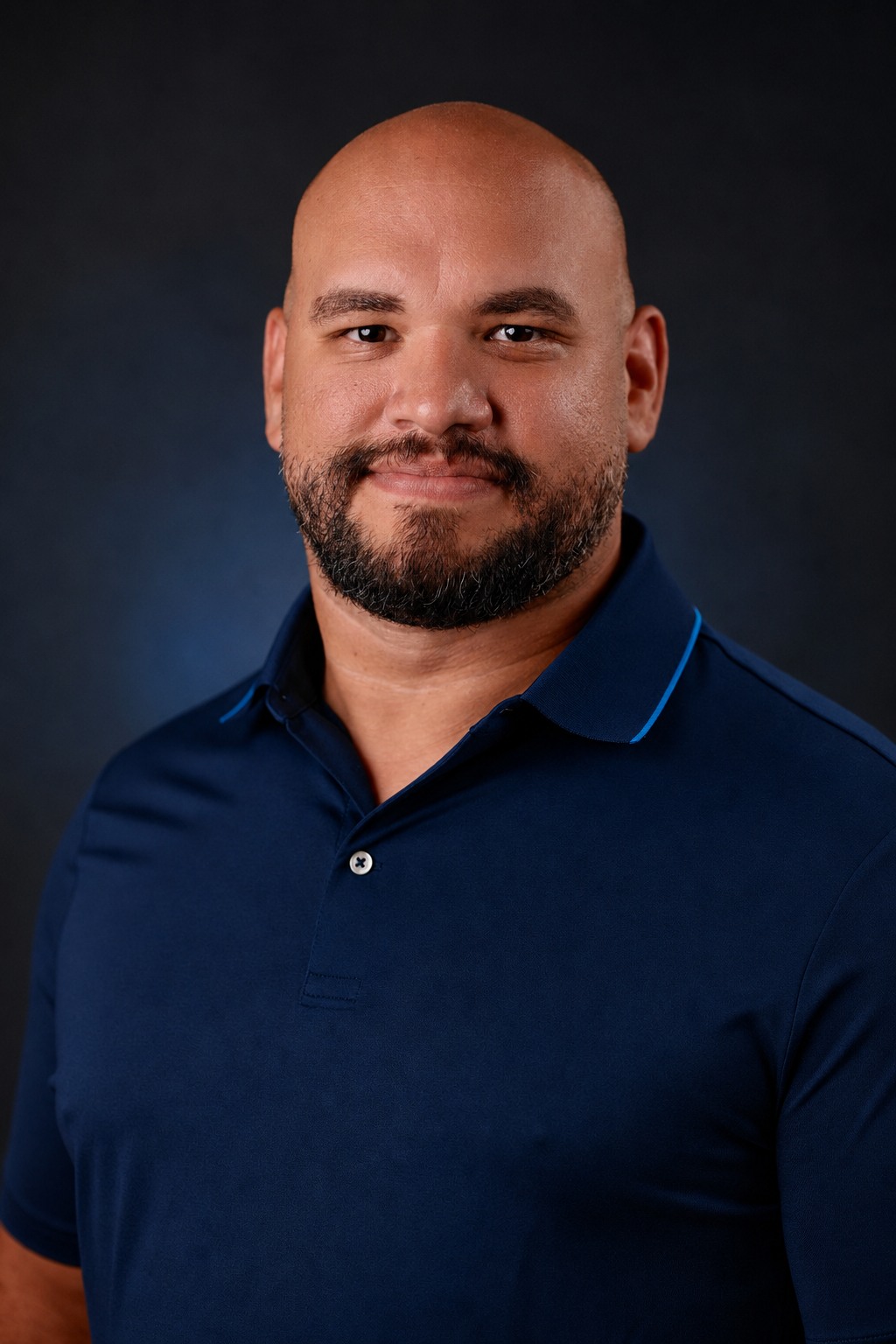
My career has taken me from building Spynr, a marketing company serving the commercial laundry industry, to enterprise marketing at EVI Industries. Along the way, my work in nonprofit leadership has continued to shape how I think about growth.
Across those experiences, one question keeps coming back: How do we help people connect with something that matters to them?
Sometimes that means helping a business reach its next customer. Sometimes it means bringing an organization together around a clearer direction. Other times, it means creating an experience that helps someone feel welcome, understood or inspired.
That question connects my work in marketing, technology and community leadership.
What building Spynr taught me about marketing
When I founded Spynr, I worked with businesses in an industry that touches almost everyone but rarely gets much attention: commercial laundry.
Behind every laundry business are people making consequential decisions about equipment, employees, customer service and their future. Understanding those decisions was essential to creating useful marketing.
Our work spanned branding, websites, digital advertising, search and content. But the most valuable part was understanding what a business needed to communicate and why someone should care.
A better website could make a business easier to find. A clearer message could give a prospective customer confidence. A more thoughtful follow-up process could turn interest into a conversation.
Building Spynr taught me to connect creative work with the practical realities of running a business. That perspective stayed with me when EVI Industries acquired Spynr in 2022.
Bringing an entrepreneur’s perspective to EVI Industries
My work as Director of Marketing at EVI Industries expanded the scale of the questions I was trying to answer.
How do you create a clear direction across a growing organization? How do you give teams useful tools while respecting the relationships and knowledge they have built locally? How do brand strategy, digital platforms, events and demand generation support one another?
Those are marketing questions, but they also involve leadership, communication and organizational change.
An idea becomes valuable when people understand it well enough to put it into practice. That requires listening to the people doing the work, making priorities clear and following through on the details.
My entrepreneurial experience helps me stay close to that reality. I want to understand how a strategy will work for the person who has to use it.
Where AI fits into my approach
Artificial intelligence has become part of how I think about enterprise marketing and digital transformation.
I am interested in its ability to organize information, support better decisions and give teams more time for thoughtful work. The starting point is finding a problem worth solving.
Where are people repeating tasks? Where is information difficult to access? What would help a team respond more effectively to a customer?
Those questions give technology a purpose.
I have written before about why AI should make enterprise marketing more human. That belief continues to guide me. The time we gain through technology is an opportunity to listen more closely, exercise better judgment and build stronger relationships.
Why I created the Vended Laundry Experience
The Vended Laundry Experience brings that belief into a physical space.
I chose the word Experience because I wanted people to remember how it felt to be there. Useful education was essential. So were the conversations, the atmosphere and the feeling of being surrounded by people who understood their work.
We have now completed more than six large-scale national events, with each one growing larger. Our latest gathering at the Disneyland Hotel was our biggest yet.
What stays with me is the community behind that growth.
People want to learn from others who are facing similar decisions and pressures. They want to ask what happened after a strategy was put into practice. They want candid conversations with people who understand the stakes.
Creating room for those exchanges is a meaningful part of marketing. It helps a business become part of a community people want to return to.
It is also why I believe being in the room matters so much in the age of AI.
How community leadership shapes my work
My service with LaundryCares Foundation and the Joshua M. Freeman Foundation gives me another perspective on connection.
Through LaundryCares, the focus includes childhood literacy and opportunities for families in the communities laundromats serve. That work reminds me how much the setting matters. Bringing resources into a familiar place can help make participation possible.
Through the Joshua M. Freeman Foundation and Freeman Arts Pavilion, I see the role shared experiences play in community life. A performance can bring people together across backgrounds and generations. Arts education can introduce someone to a possibility they had never considered.
These experiences influence the questions I ask at work: Who feels invited? What makes participation easier? What will someone carry with them afterward?
They also keep me aware of the responsibility that comes with leadership. People contribute their time, trust and energy. We owe them a clear purpose and thoughtful use of those contributions.
The connection across my work
Enterprise marketing, AI, live events and nonprofit service may look like separate parts of a career. In my experience, they continually inform one another.
Building a company taught me to make ideas practical. Enterprise marketing taught me to think about how people and systems work together. Community leadership continues to deepen my understanding of access, participation and belonging.
That is the perspective I bring to my work as Dennis Diaz: a founder, marketing leader and community advocate who is curious about what helps people move forward together.
As technology changes what we can do, I want to keep asking what will make that progress meaningful to the people it is meant to serve.